Fabric Color Fastness: Understanding Color Bleeding, Crocking and Fading
Introduction
Have you ever washed a dark-coloured garment and noticed its dye transferring onto lighter clothes? Or seen a favourite black T-shirt gradually lose its original colour after repeated washing?
These are common fabric colour problems that can affect the appearance, performance and perceived quality of finished garments.
For clothing brands, retailers and manufacturers, fabric color fastness is an important consideration during fabric selection and garment development. It describes how well a fabric retains its original colour when exposed to factors such as washing, rubbing, perspiration and light.
Three common colour-related issues are colour bleeding, crocking and fading. Understanding the difference between them can help businesses make better fabric choices and maintain consistent garment quality.
1. What Is Color Bleeding?
Color bleeding occurs when dye escapes from a fabric during washing or contact with water and transfers onto other materials.
For example, a new red or navy garment may release excess dye during washing, causing lighter-coloured clothes to become stained.
Common causes of colour bleeding:
- Inadequate dye fixation during fabric processing.
- Poor dye selection or unsuitable dyeing methods.
- Insufficient washing after dyeing.
- Incorrect washing temperature or care instructions.
How can it be reduced?
Appropriate dye selection, proper dye fixation, suitable fabric processing and washing tests can help reduce the risk of colour bleeding.
2. What Is Crocking?
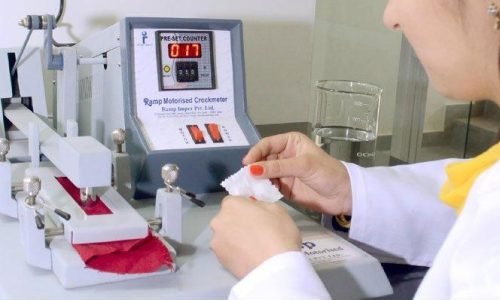
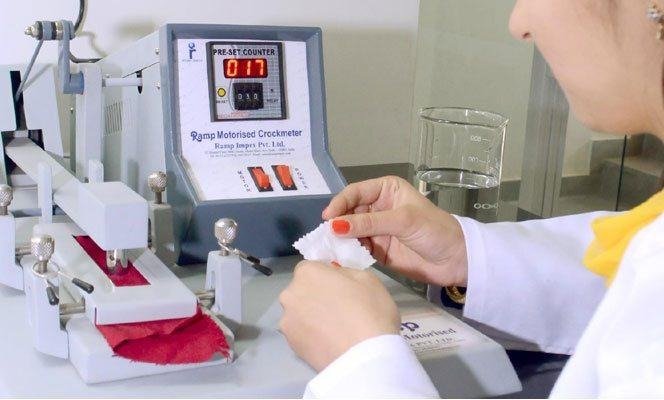
Crocking is the transfer of colour from a fabric surface to another material through rubbing or friction.
It can happen when a garment rubs against another garment, furniture, bags or skin. For example, dark denim may leave blue marks on a white shirt or light-coloured upholstery.
Crocking is generally evaluated through two types of tests:
- Dry Crocking: A dry white testing cloth is rubbed against the coloured fabric.
- Wet Crocking: A damp white testing cloth is rubbed against the fabric to evaluate colour transfer under wet conditions.
How can it be reduced?
Suitable dyeing and finishing processes, proper surface treatment and crocking tests can help improve colour transfer performance.
3. What Is Fabric Fading?
Fading occurs when a fabric gradually loses its original colour intensity.
A black T-shirt that becomes greyish after repeated washing is a familiar example. Fading can also happen when fabrics are exposed to sunlight, heat, chemicals or unsuitable washing conditions.
Common causes of fading:
- Repeated washing and unsuitable detergents.
- Prolonged exposure to sunlight.
- Inadequate dye selection or fixation.
- Incorrect garment care and maintenance.
How can it be reduced?
Selecting suitable dyes, following appropriate processing methods and providing correct garment care instructions can help preserve colour appearance for longer.
4. Color Bleeding vs Crocking vs Fading
Although these three problems are related to fabric colour performance, they describe different issues.
| Colour problem | What happens? | Example |
|---|---|---|
| Color Bleeding | Dye escapes during washing or water exposure | Red dye stains a white shirt |
| Crocking | Colour transfers through rubbing | Blue dye marks a white cloth |
| Fading | Original colour gradually loses intensity | Black fabric becomes greyish |
Understanding these differences helps clothing businesses identify potential quality concerns before garments reach customers.
5. Why Is Color Fastness Testing Important in Garment Manufacturing?
Colour quality is an important part of the customer experience. Even a well-designed garment can disappoint buyers if its colour does not perform as expected.
Colour fastness testing helps evaluate how fabric responds to different conditions before bulk production.
Common tests include:
- Colour Fastness to Washing: Evaluates colour retention and staining during washing.
- Colour Fastness to Rubbing: Checks colour transfer under dry and wet friction.
- Colour Fastness to Light: Evaluates resistance to colour change from light exposure.
- Colour Fastness to Perspiration: Assesses how fabric colour responds to perspiration.
The appropriate tests depend on the garment type, fabric composition, intended use and buyer requirements.
Testing against suitable methods and agreed specifications helps businesses make more informed production decisions.
6. How to Choose Fabrics with Better Colour Performance
Choosing the right fabric involves more than looking at its colour and appearance.
Before approving a fabric for bulk garment production, consider the following:
- Check Fabric Composition: Understand whether the material is cotton, polyester, a blend or another fibre type.
- Review Dyeing Quality: Ask about dye selection, dye fixation and relevant processing details.
- Request Test Reports: Review available colour fastness test results against your required standards.
- Approve Fabric Samples: Evaluate the fabric before moving forward with bulk production.
- Follow Care Requirements: Ensure garment care instructions are appropriate for the material and its dyeing process.
These steps can help reduce avoidable colour-related issues and support more consistent garment quality.
7. How Apparel The Hub Supports Better Fabric Selection
At Apparel The Hub, we understand that fabric selection is an important part of developing a successful clothing collection.
As a Pakistan-based apparel manufacturing partner, we support fashion brands, retailers and wholesalers with fabric sourcing, garment development, sampling and bulk production.
Our approach focuses on understanding product requirements and exploring suitable materials for each collection.
Depending on the fabric and buyer specifications, relevant considerations may include:
- Fabric composition and construction.
- GSM and material suitability.
- Colour requirements and available test documentation.
- Sampling and approval before bulk production.
- Quality inspection according to agreed requirements.
We work through our manufacturing and sourcing network to support different apparel requirements.
Conclusion
Fabric colour performance plays an important role in garment quality and customer satisfaction.
Colour bleeding, crocking and fading may look similar at first, but each represents a different challenge. Understanding these issues and considering appropriate colour fastness tests before bulk production can help clothing brands make better decisions.
Good garment quality is not just about how a fabric looks when new. It is also about how well it maintains its appearance over time.
Planning your next clothing collection? Apparel The Hub can help you explore suitable fabric and garment development options.
Let’s build something great together.
Need help with your next clothing collection?
Share your garment requirements with Apparel The Hub. Let’s discuss fabric sourcing, sampling and production options.
Get in touch with Apparel The Hub