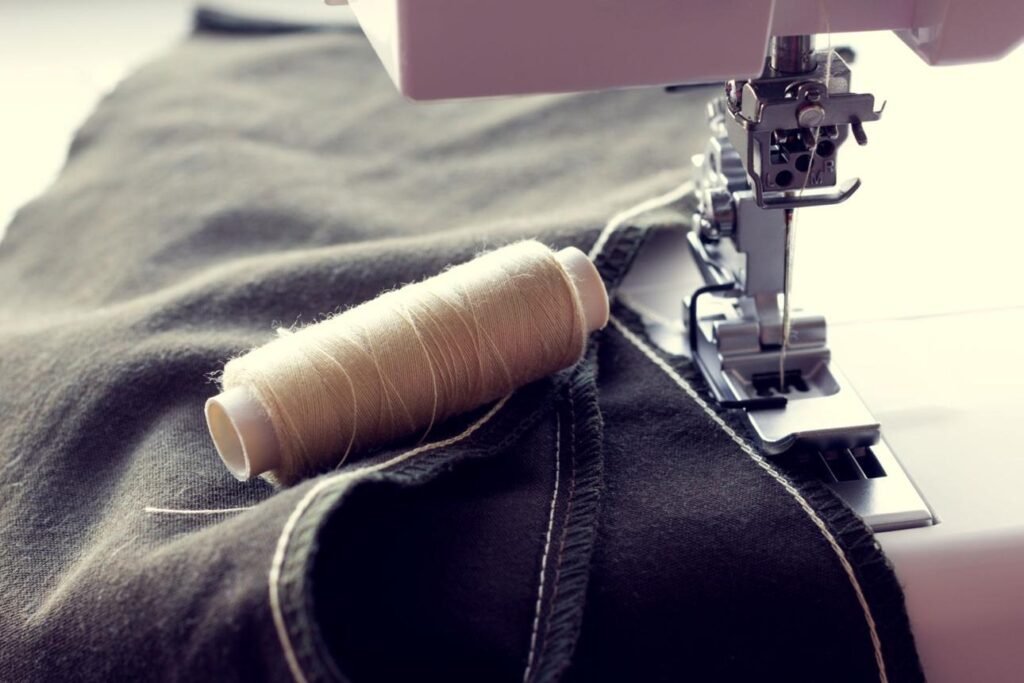
How to Choose the Right Sewing Thread for Garment Manufacturing
Choosing the right sewing thread is an important part of garment manufacturing. While fabric, design and fit often receive the most attention, thread selection also plays a key role in seam performance, garment durability and overall finishing.
The wrong thread can lead to issues such as thread breakage, uneven stitching, seam damage and poor garment appearance. That is why thread selection should be considered during product development, not just when bulk production begins.
In this guide, we explain the key factors to consider when selecting sewing thread for your clothing products.
1. Match the Thread to Your Fabric
Different fabrics require different sewing thread characteristics.
For example:
- Lightweight fabrics generally require finer threads to avoid bulky seams.
- Medium-weight fabrics need thread suitable for their construction and intended use.
- Heavy fabrics may require stronger and appropriately sized threads to handle seam stress.
The thread should work well with the fabric without damaging it or affecting the appearance of the finished garment.
2. Understand Different Types of Sewing Thread
Several types of sewing thread are used in garment manufacturing. The right choice depends on fabric composition, garment construction and end use.
Polyester Thread: Commonly used in apparel manufacturing because of its versatility, durability and resistance to abrasion.
Cotton Thread: Often selected for specific natural-fibre applications and products where its characteristics are suitable.
Core-Spun Thread: Combines a filament core with staple-fibre wrapping, offering a balance of strength and sewing performance.
Each thread type has different properties, so selection should be based on the requirements of the garment.
3. Consider Thread Thickness and Size
Thread thickness affects seam appearance, stitch formation and sewing performance.
A thread that is too thick may create bulky seams or visible stitching. A thread that is too fine may not provide the required seam performance for a particular garment.
Thread size should be selected according to:
- Fabric weight and construction
- Seam type and garment design
- Required seam appearance
- Needle and machine compatibility
The goal is to achieve a balanced seam without unnecessary bulk or weakness.
4. Check Thread Strength and Compatibility
Thread strength matters, but choosing the strongest thread is not always the right solution.
The thread must be compatible with the fabric, needle, sewing machine and intended seam construction.
Poor compatibility may result in:
- Frequent thread breakage
- Skipped or irregular stitches
- Fabric damage
- Uneven seam appearance
A suitable thread helps achieve consistent stitching and reliable seam performance.
5. Test Stitch Quality Before Bulk Production
Before starting bulk manufacturing, conduct sewing trials using the selected fabric, thread and needle combination.
Check the following:
- Stitch formation and consistency
- Thread tension
- Seam appearance
- Thread breakage during sewing
- Seam performance under suitable stress
Testing during sample development helps identify potential problems before they affect a larger production quantity.
6. Why Thread Selection Matters in Private Label Manufacturing
For clothing brands, garment quality is not determined by fabric alone. Stitching, seams, finishing and construction all contribute to the final product.
A suitable thread selection supports:
- Consistent garment construction
- Better seam appearance
- Reliable sewing performance
- A cleaner finished product
Attention to these details helps clothing brands maintain consistency across their collections.
Final Thoughts
Choosing the right sewing thread requires more than selecting a colour that matches the fabric. Fabric type, thread material, thickness, strength, needle compatibility and seam construction should all be considered.
At Apparel The Hub, we understand that every detail contributes to garment manufacturing. From fabric sourcing to stitching and finishing, careful product development helps bring clothing designs closer to production requirements.
Planning your next clothing collection?
Share your garment design, tech pack or product requirements with Apparel The Hub.
Apparel The Hub — Your Apparel Manufacturing Partner.
Website image SEO details
- Featured Image Alt Text: Sewing thread selection for professional garment manufacturing | Apparel The Hub
- Image Title: Choosing the Right Sewing Thread
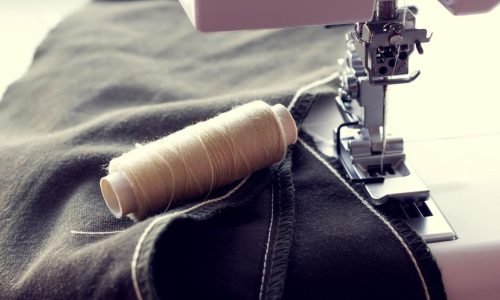
- Image Description: Different sewing thread types and industrial stitching used in garment manufacturing.
WordPress mein category: Garment Manufacturing Tips
Tags: Sewing Thread, Garment Manufacturing, Clothing Production, Private Label Manufacturing, Apparel Quality, Stitching